Day 2 — Tuesday, October 6
Chris Daigle
Founder & CEO • ChiefAIOfficer.com
AI Is Already Changing Your Business. The Question Is Whether You’re Driving It.
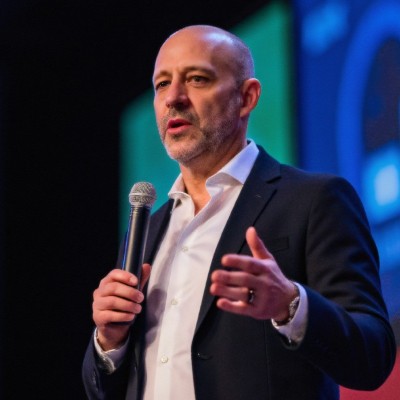
Artificial intelligence is not a future problem to prepare for — it is a present reality reshaping how businesses quote, communicate, market, and operate right now. The companies moving deliberately are gaining advantages that are genuinely difficult to close. The ones waiting are falling behind in ways they may not yet see. Chris Daigle, Founder of ChiefAIOfficer.com, has spent years helping non-technical business leaders cut through the hype and implement AI in ways that produce measurable results. This session maps the current AI landscape in plain language: where we are, where it’s heading, and the specific moves that small and mid-sized manufacturing businesses should be making today. No code required. No technical background needed. Just a clear-eyed look at what’s changing and what to do about it.
90-MINUTE HANDS-ON WORKSHOP
AI in Action: A Working Session for Your Business
This is not a demonstration — it’s a working session. Chris Daigle moves from the stage to the room for a 90-minute hands-on workshop designed to give attendees a practical AI implementation they can take back to their business immediately. Bring a laptop and access to an AI tool (ChatGPT, Claude, or similar) — you’ll leave with something real, not just notes. The workshop is structured around a single idea: pick one specific problem, process, or task in your business and use AI to address it on the spot. Whether that’s drafting customer communications, building a quoting template, analyzing a cost structure, or automating a recurring task — Chris guides participants through the process step by step. For owners and managers who have been curious about AI but haven’t known where to start, this is where it clicks.
Daniel Otamendi & Amit Jassal
Partner & Managing Director • Mensana
Why Sales Gets a Free Pass — and Why That Has to Change
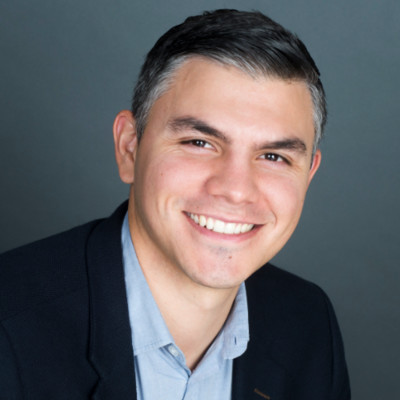
Most businesses run operations with clear metrics, structured processes, and real accountability. Sales? Not so much. Sales teams are often managed differently — tolerated for volatility, shielded from scrutiny, and evaluated on outcomes no one can predict rather than behaviors anyone can influence. Daniel Otamendi and Amit Jassal of Mensana make the case that this has to change — and show what it looks like when it does. Drawing on their work with businesses that have introduced real structure, visibility, and coaching discipline into their sales functions, this session lays out a practical framework for treating sales like the operational discipline it should be. Attendees will leave with specific steps to improve accountability, sharpen pipeline visibility, and drive more predictable revenue growth — regardless of company size.
Scott Bishop
Researcher • Electric Power Research Institute (EPRI)
Demand on the Rise: What the Energy Build-Out Means for Powder Coating
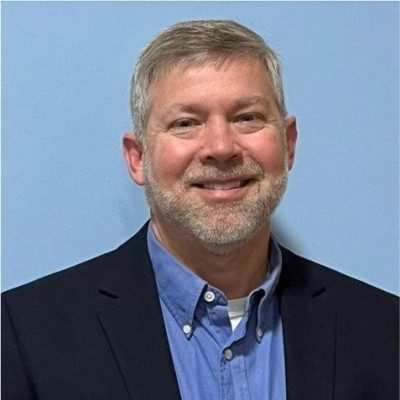
The American energy grid is being rebuilt at a scale not seen in generations. Utilities are adding capacity. Data centers are multiplying. Electrification is pushing into sectors that ran on gas for decades. All of that construction — transformers, substations, enclosures, structural components — needs to be finished. Scott Bishop of EPRI breaks down what the energy build-out actually looks like, where the demand is coming from, and how the surge in utility and data center infrastructure is creating real, durable opportunity for powder coating operations positioned to serve it. This is the kind of market intelligence that turns up in your quoting pipeline before most of your competitors see it coming.
John Schuepbach
Managing Director • Phoenix Solutions Group International
Where the Money Goes: Driving Profitability Through Smarter Cost Control
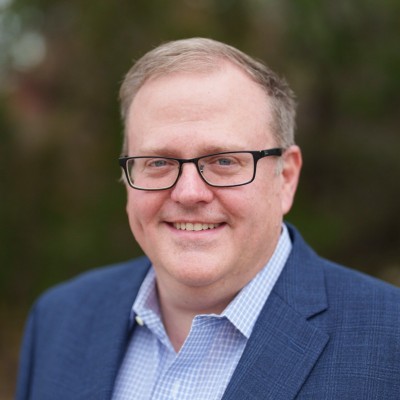
Revenue is vanity. Profit is reality. John Schuepbach returns for a second session that shifts focus from the M&A landscape to what happens inside the business — specifically, the cost structures that quietly erode margins while owners are busy running the operation. Drawing on his deep experience across steel fabrication and job shop environments, Schuepbach walks through the cost control disciplines that separate high-margin operators from the rest: where money leaks, what most owners don’t measure, and the practical moves that go straight to the bottom line. For custom coaters and job shop owners ready to stop leaving money on the table, this is the session that pays for the trip.
Brian Place
Senior Vice President, Director of Sales — Business Insurance Practice • Marsh McLennan Agency
Your Insurance Program Is Probably Overdue for a Hard Look

The manufacturing and finishing services landscape has changed significantly in recent years — and most business insurance programs haven’t kept up. Coverage that made sense three years ago may have gaps today. Premiums may be climbing without a corresponding improvement in protection. And as businesses grow, acquire, or restructure, the policies on the shelf often don’t reflect the actual risk profile of the company anymore. Brian Place, Senior Vice President at Marsh McLennan Agency, specializes in business insurance for manufacturers and has seen the same pattern repeat across the industry: programs that renew on autopilot while the business beneath them evolves. This session is not about employee benefits. It’s a direct look at what’s changing in business insurance — liability, property, equipment, and operational risk — and what owners and executives should be doing now to make sure they’re actually protected.
Panel Session
The Future of the Powder Coating Business
The industry is changing — in ways that are visible right now and in ways that will only become clear in the next few years. This closing panel brings together OEM operators, custom coaters, and supply chain partners for a candid conversation about where the powder coating business is headed: automation, workforce, customer expectations, competitive pressure, and the strategic moves that will separate the businesses still here in a decade from those that aren’t. No prepared remarks, no polished talking points — just a direct exchange between operators who are navigating the same conditions your business is. This is the session that sends you home with something to think about on the plane.
Panelists drawn from OEM operators, custom coaters, and industry suppliers — moderated discussion